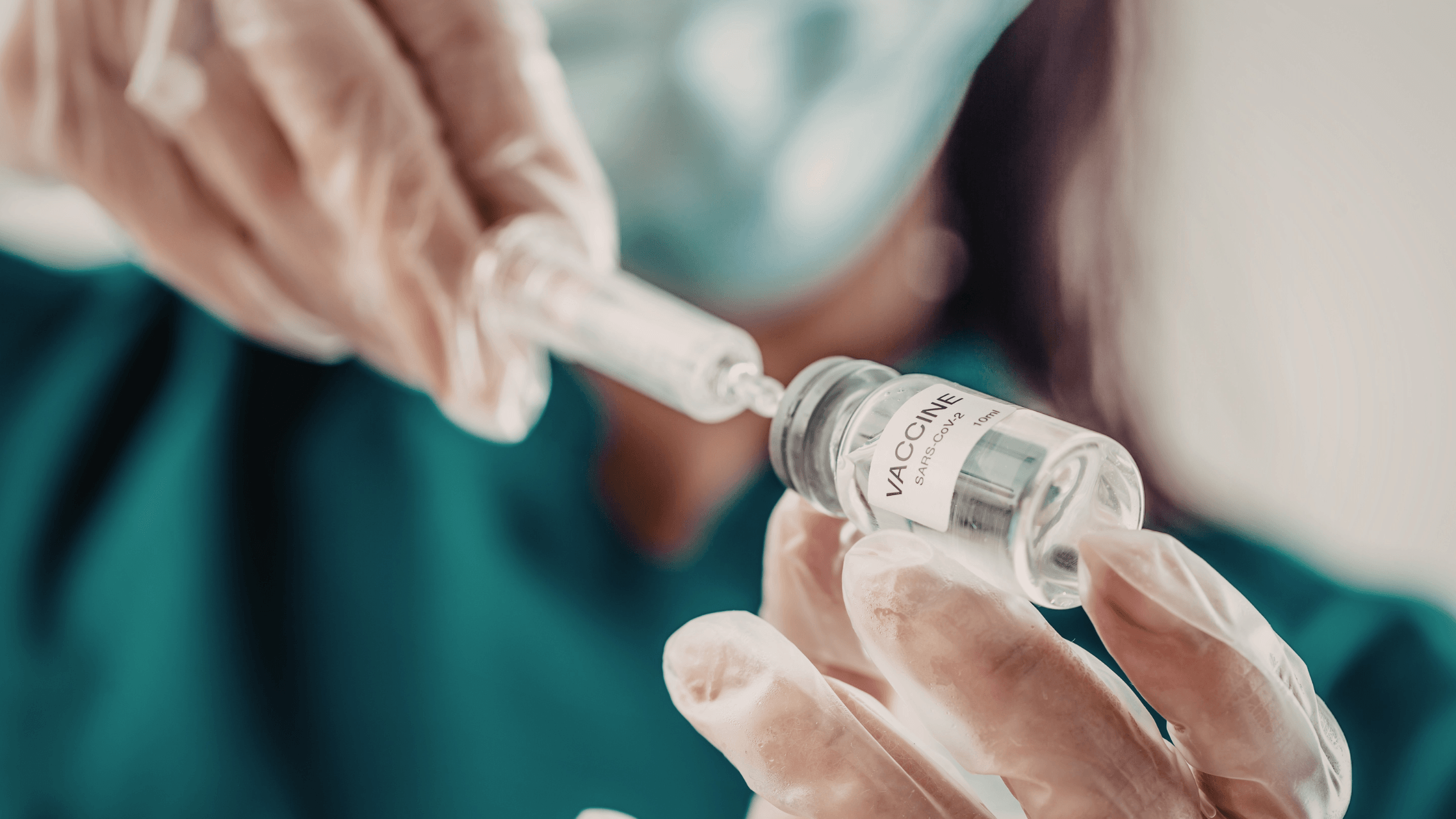
Vaccines are an important part of preventive healthcare. They help protect people from serious illness and reduce the spread of infectious diseases. Illnesses can spread quickly without preventative measures in place because jails are high-movement environments where people live in close contact. Getting vaccines in jail helps reduce the risk of outbreaks and supports healthier outcomes for patients during their time in custody and after.
Why Vaccines Are Important in Jails
Vaccines in jails are important because illnesses can spread quickly when patients live in close contact and lots of people come in and out. Providing access to vaccines helps protect patients, healthcare team members, correctional staff, and the broader community.
Vaccines in jail settings support health and safety by:
- Helping reduce the spread of infectious diseases like the flu, COVID-19, hepatitis, and other illnesses.
- Protecting patients who may have chronic diseases or limited access to healthcare before incarceration
- Supporting healthier outcomes for patients during incarceration and after release
- Helping reduce the risk of outbreaks in shared living environments
- Reinforcing the importance of compassionate, patient-centered healthcare
Why Vaccines Are Optional in Jail Settings
Despite the benefits, vaccines are still optional in jails. That’s because people have the right to make informed decisions about their own healthcare, including the right to refuse treatment.
Vaccines aren’t mandated because medical care requires informed consent. This means patients must understand the treatment and voluntarily agree to receive it. Respecting patient autonomy is an essential part of ethical healthcare.
Although vaccines in jail are optional, healthcare teams encourage them because of the protection they provide. Healthcare teams provide education, answer questions, and explain the benefits and potential side effects so patients can make informed decisions. By offering access to vaccines and reliable information, healthcare teams help patients make choices that support their well-being.
Addressing Gaps in Healthcare Access
Some patients in jail may agree with the protection vaccines provide, but have not previously had access to them. Many patients entering jail have experienced barriers to healthcare or other financial restraints long before incarceration. These issues can make it difficult for them to keep up with routine medical care, including vaccinations.
For some patients, incarceration may be the first time in years they’ve had consistent access to healthcare. Access creates an opportunity for healthcare teams to provide education, answer questions, and offer care previously unavailable.
Healthcare team members in jails often help patients:
- Review their vaccination history and identify recommended vaccines
- Learn about how vaccines work and why they’re important
- Address concerns or misconceptions
Providing access to vaccines in jail prevents illness during incarceration and helps patients build healthier futures beyond their time in custody.
Building Trust Through Education
Education helps patients make informed healthcare decisions. Many jailed patients may have questions or concerns about vaccines based on personal experiences, misinformation, past healthcare challenges, or limited access to reliable medical information. Healthcare team members can help build trust by fostering respectful, supportive conversations that are focused on patient understanding.
Effective vaccine education often includes:
- Empathetic listening with the goal of helping patients feel comfortable expressing concerns
- Providing accurate and easy-to-understand medical information
- Explaining the risks of vaccine-preventable illnesses
- Discussing potential side effects
- Encouraging patients to ask questions and responding thoughtfully to their inquiries
- Supporting informed decision making
- Building trust with patients who may be skeptical of medical systems or healthcare providers
Protecting the Whole Community
Vaccines in jails help protect the larger community’s health. Jails are closely connected to the communities around them because patients regularly return home to their families, workplaces, schools, and neighborhoods after release. Also, people who work in the jail live and work in the community. When infectious diseases spread within a jail, their effects can extend beyond the facility.
Vaccination efforts in jails can help:
- Reduce the risk of infectious disease outbreaks
- Protect vulnerable people who may be at higher risk for serious illness
- Support healthier transitions back into the community after release
- Strengthen public health efforts
Healthcare teams often work alongside public health organizations and community partners to support preventive care initiatives. These partnerships can help patients continue receiving healthcare services after release, improving their lives and overall well-being.
The Role of Compassionate Healthcare
Compassionate healthcare means treating every patient with dignity, respect, and understanding. In jails, this includes providing access to preventive healthcare services that support immediate and long-term health while helping people feel seen, heard, and supported. Vaccination is one part of that broader commitment to caring for patients as individuals.
Compassionate healthcare in correctional settings often includes:
- Providing patient-centered education about vaccines and other preventive care
- Respecting patient autonomy and informed consent
- Listening to concerns without judgment
- Remembering that every patient encounter is an opportunity for trust and understanding
- Creating a safe and respectful healthcare environment
- Supporting continuity of care during incarceration and after release
- Focusing on prevention as part of long-term wellness and community health
Supporting Health Through Prevention and Education
Vaccines remain a vital part of preventive healthcare in jail settings. They help reduce the spread of infectious diseases, support healthier patient outcomes, and contribute to community well-being.
At TK Health, we believe every patient deserves access to respectful, informed, and compassionate healthcare. Our goal is to listen to patients and provide them with the information they need to make informed healthcare decisions that positively impact them and the community as a whole.
